
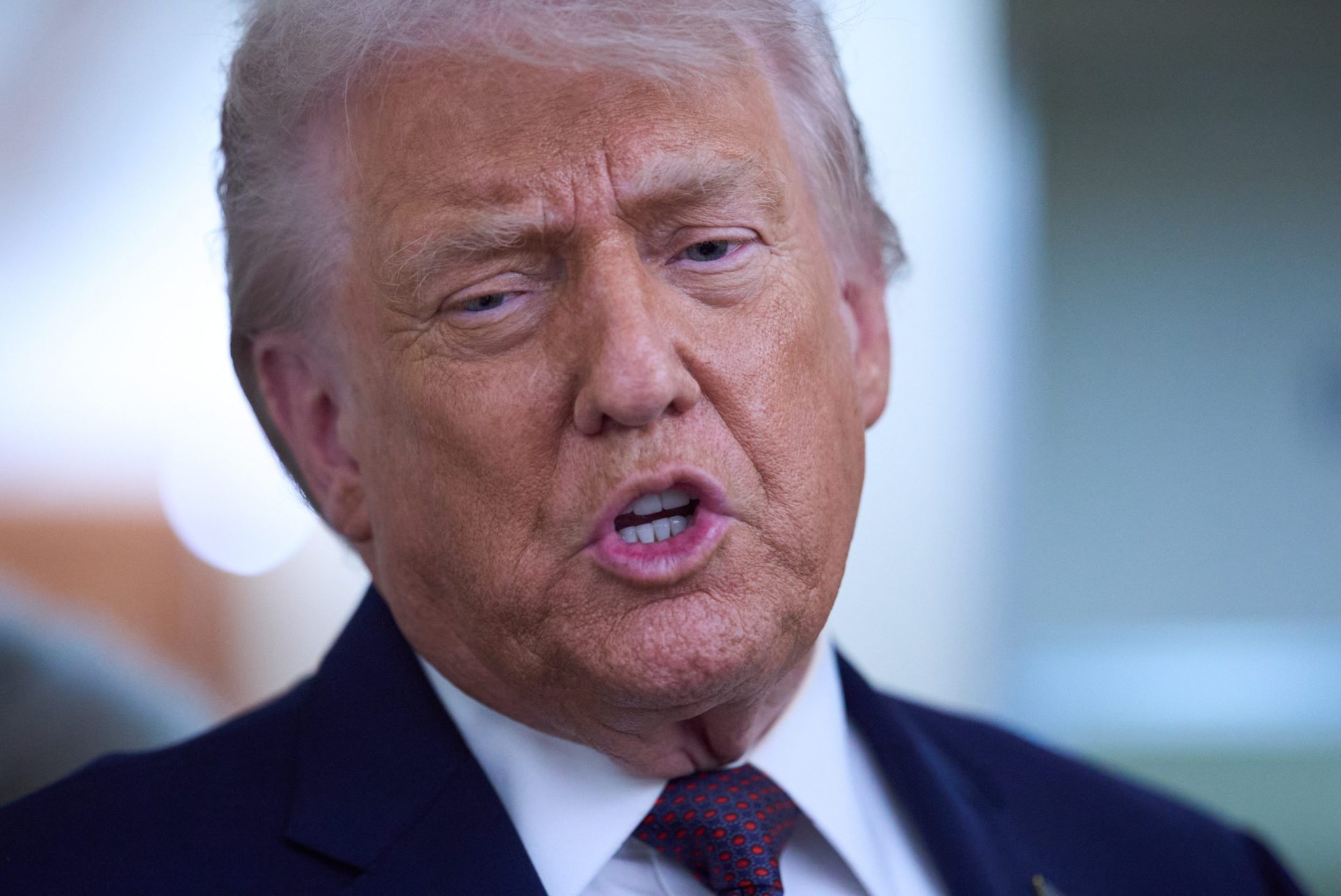
President Donald Trump announced an increase in tariffs on South Korean goods due to the country's national assembly not yet approving a trade deal established last year. The proposed hike would raise taxes on autos, lumber, and pharmaceuticals, increasing the rate on other goods from 15% to 25%. Trump stated that the U.S. has reduced its tariffs in line with agreed-upon transactions and expects trading partners to reciprocate. This threat highlights a pattern of Trump using tariffs to influence other nations, potentially causing ongoing disruptions to the global economy and international trade relations.
South Korea's presidential office responded that they had not received official notification of the tariff increase and indicated that the Industry Minister would travel to the U.S. for discussions. The administration's relationship with South Korea has seen past tensions, including immigration raids at a Hyundai manufacturing site. This tariff threat follows similar actions by Trump, including threats against European nations and Canada, as many of his previously announced trade deals are still pending finalization or legislative approval. The article also mentions ongoing trade renegotiations with Canada and Mexico, as well as legal challenges regarding Trump's authority to impose tariffs.