
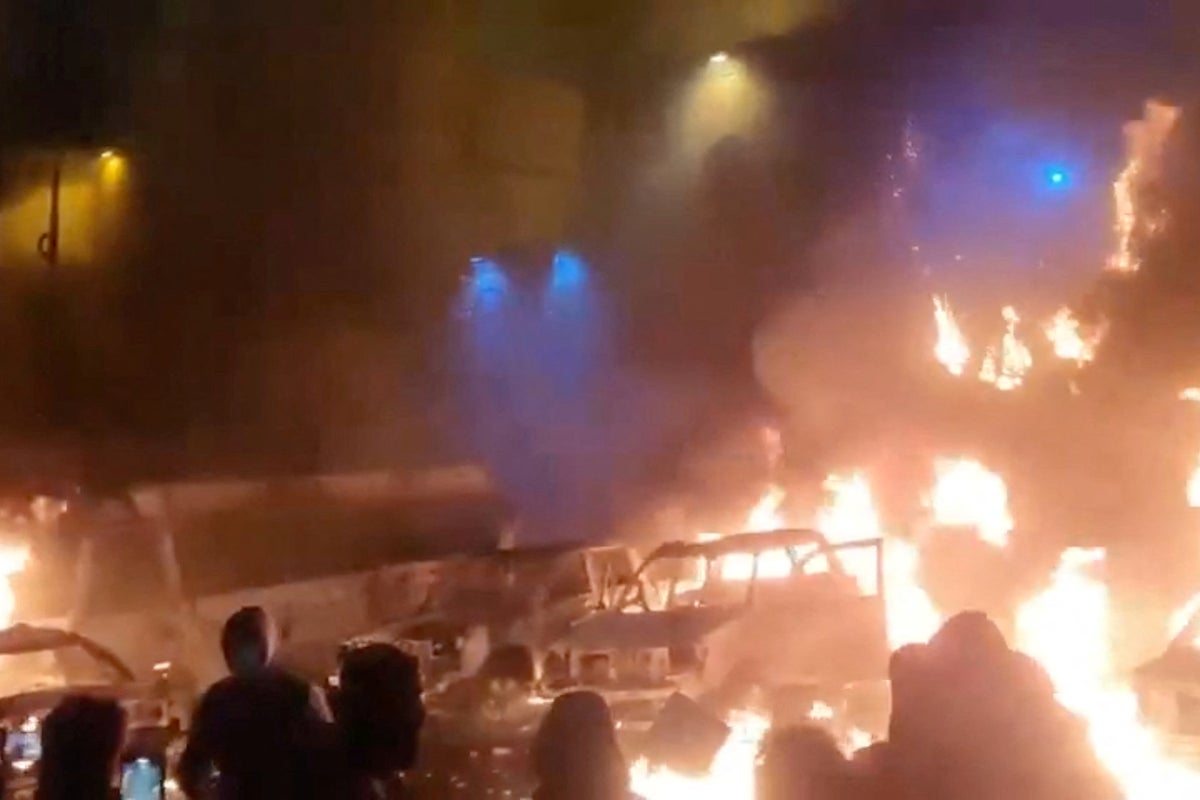
President Donald Trump suggested Iran's supreme leader, Ayatollah Ali Khamenei, might be looking to flee the country amidst widespread protests demanding regime change. Trump stated Khamenei was "looking to go someplace" and declared Iran was "on the verge of collapsing." He also issued a stern warning to the Iranian authorities, vowing to "hit them very hard" if they harmed the protesters. These protests, with demonstrators chanting "death to Khamenei," were partly spurred by calls from exiled crown prince Reza Pahlavi.
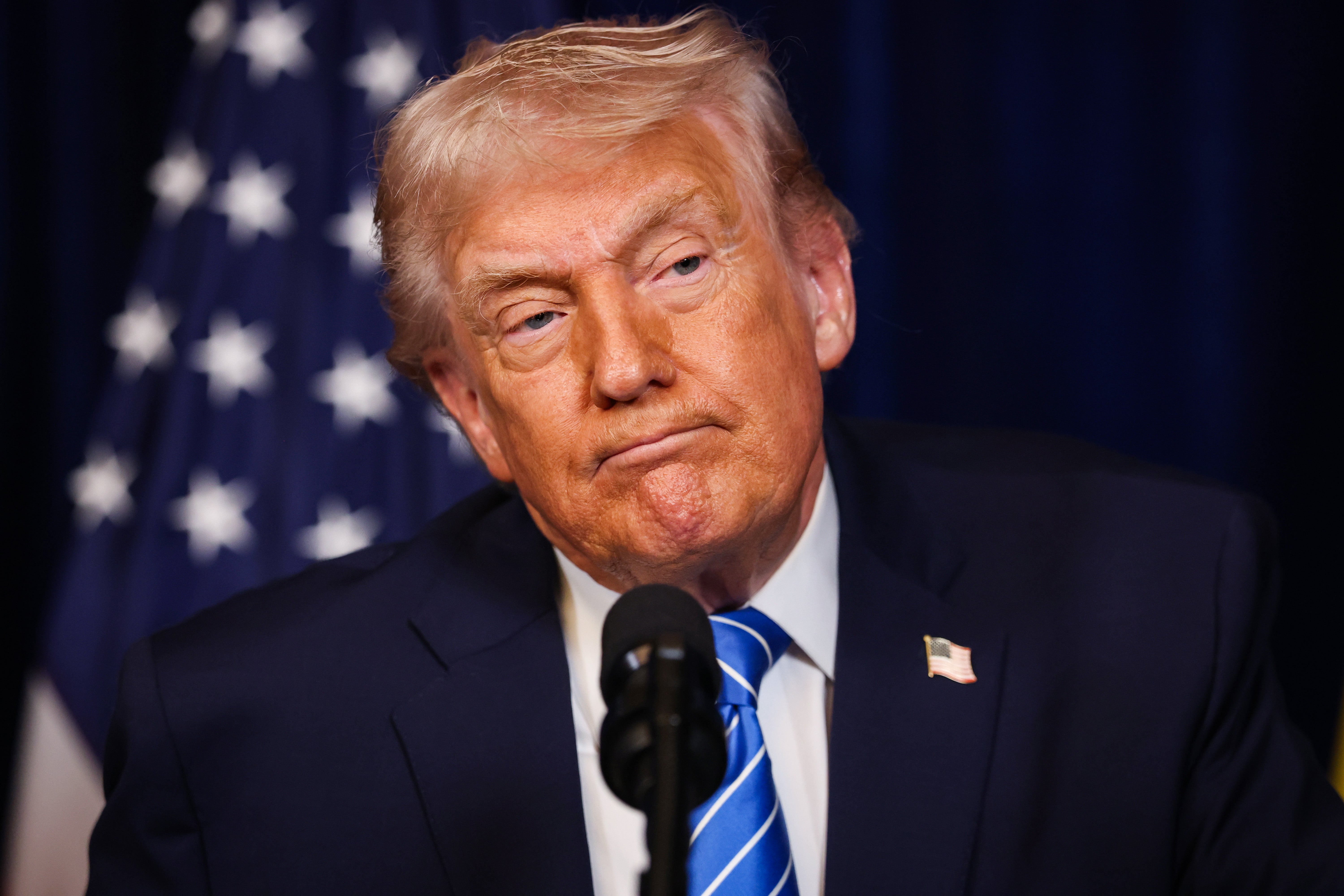
Khamenei, in response, blamed U.S. President Donald Trump for the demonstrations and asserted that the Islamic Republic would "not back down." Rights groups report that at least 38 people have been killed and 2,200 arrested amid violent clashes with police, while a nationwide internet blackout has been implemented. Trump has been hesitant to formally endorse Pahlavi, stating he wished to see who emerges from the situation, but has pledged support for the protestors if the regime cracks down.
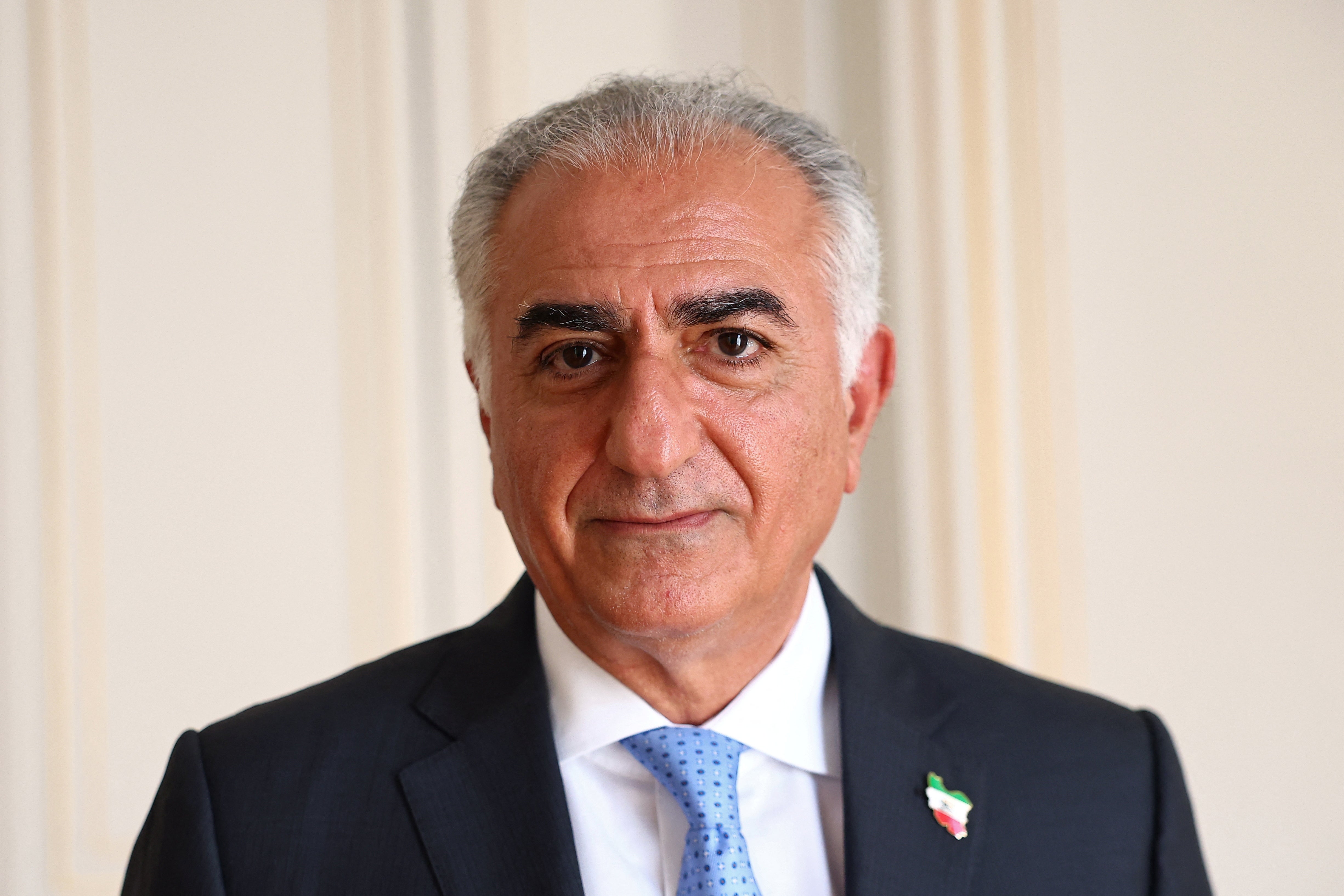
Iran's foreign minister, Abbas Araghchi, accused the U.S. and Israel of "directly intervening" in the protests, a claim made without evidence. Meanwhile, exiled prince Reza Pahlavi appealed directly to Trump for "support and action" against the regime, suggesting the Ayatollah was using the internet blackout to harm protestors. Experts describe the clerical establishment as "ossified" and unable to address the systemic issues driving the protests, which appear to be the largest since 2022. The EU has condemned the violent crackdown as "unacceptable," and leaders from the UK, France, and Germany have agreed on the need for close coordination as the situation evolves. The Iranian judiciary has promised "decisive, maximal, and without legal leniency" punishment for those involved in the demonstrations.