
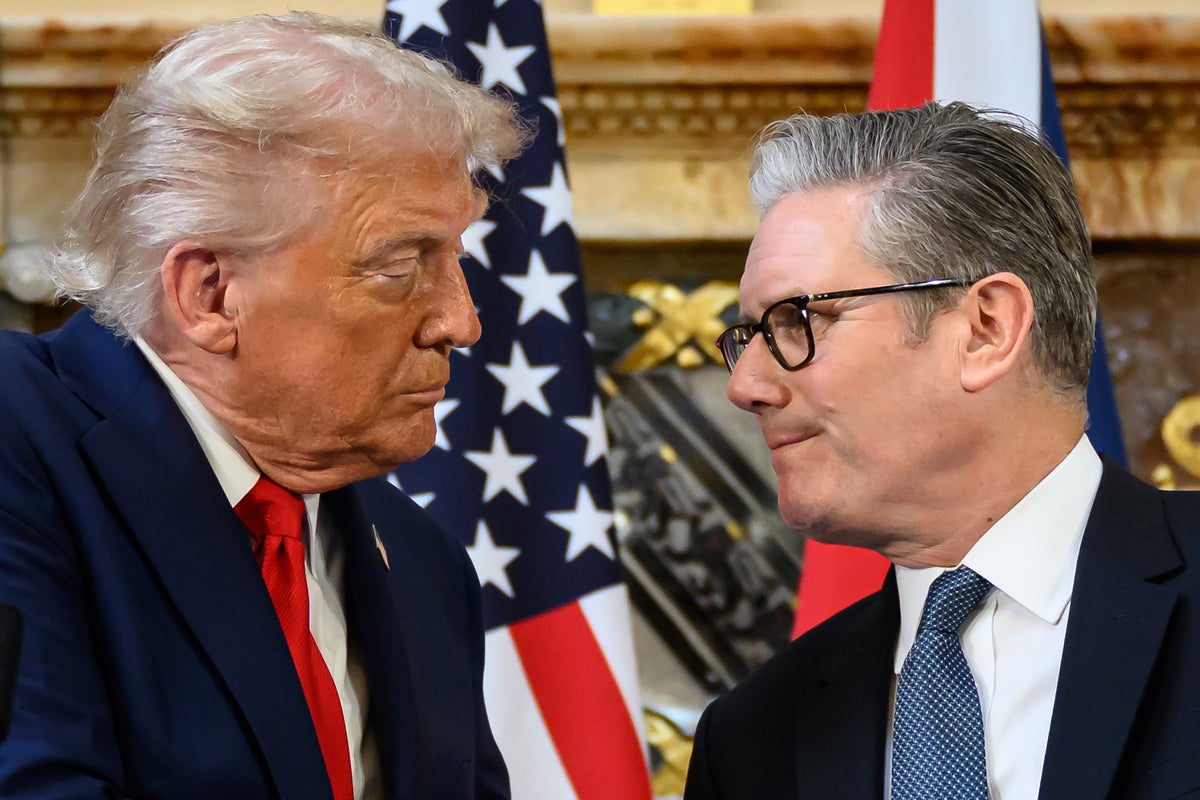
Keir Starmer's approach to international affairs, characterized by "progressive realism," led to a calculated ambiguity regarding US actions in Venezuela, contrasting with his firm stance against the US pursuit of Greenland. This strategy aimed to balance progressive values with pragmatic geopolitical necessities.
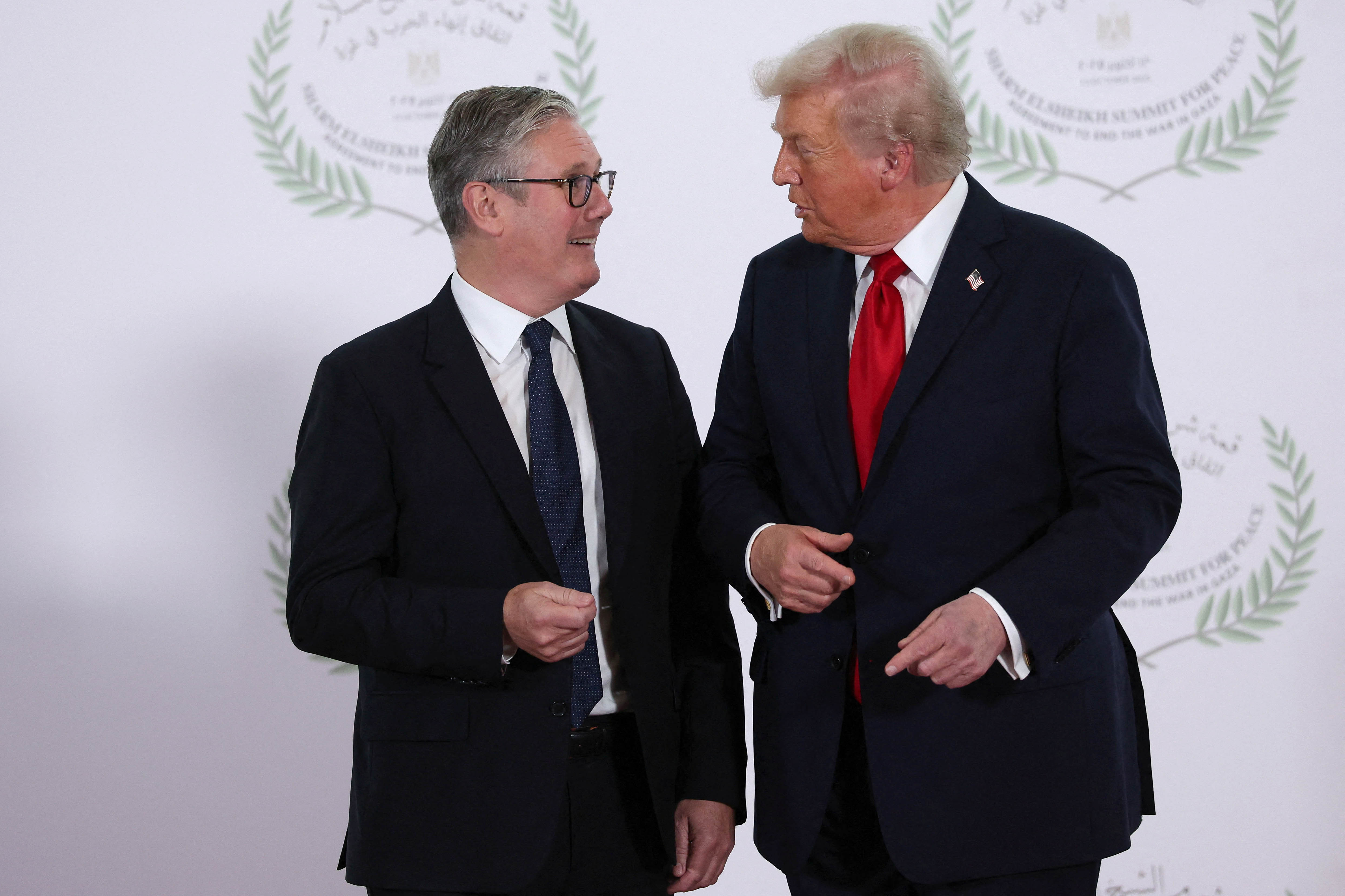
Starmer's quietness on Venezuela was influenced by the UK's crucial need for US cooperation to achieve a progressive peace settlement in Ukraine. Condemning President Trump's actions concerning Venezuela, which included the seizure of a Russian-flagged oil tanker, could have jeopardized this vital alliance. The article suggests that while Trump's actions were an "oil grab," they could potentially lead to progressive outcomes by weakening Russia's ability to evade sanctions through its "shadow fleet." Therefore, Starmer's ambiguity on Venezuela might be seen as a necessary, albeit regrettable, trade-off to secure US support for Ukraine.
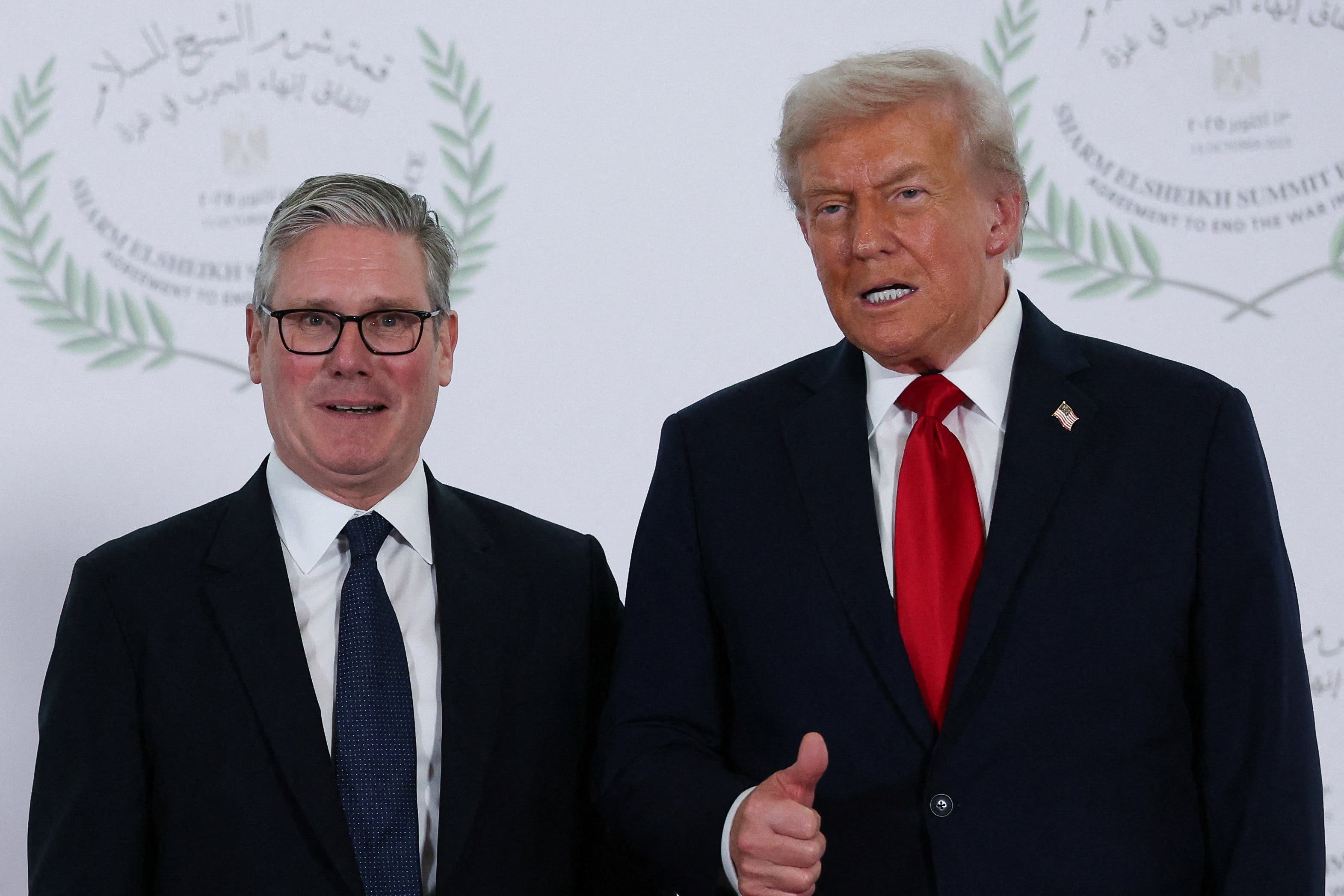
However, Starmer drew a firm line against the US interest in annexing Greenland. He argued that this move was not pragmatically justified, as Greenland is already part of NATO, an anti-Russian alliance. Starmer emphasized that while pragmatism involves compromise, it does not equate to passivity or abandoning principles. He asserted that partnership does not mean sacrificing core tenets, and the principle of national self-determination was at stake in Greenland, just as it was in Venezuela. Starmer's strong opposition to the Greenland annexation aimed to prevent the escalation of what he perceived as imperialist ambitions and to safeguard multilateral cooperation based on trust and mutual respect within the transatlantic community.