
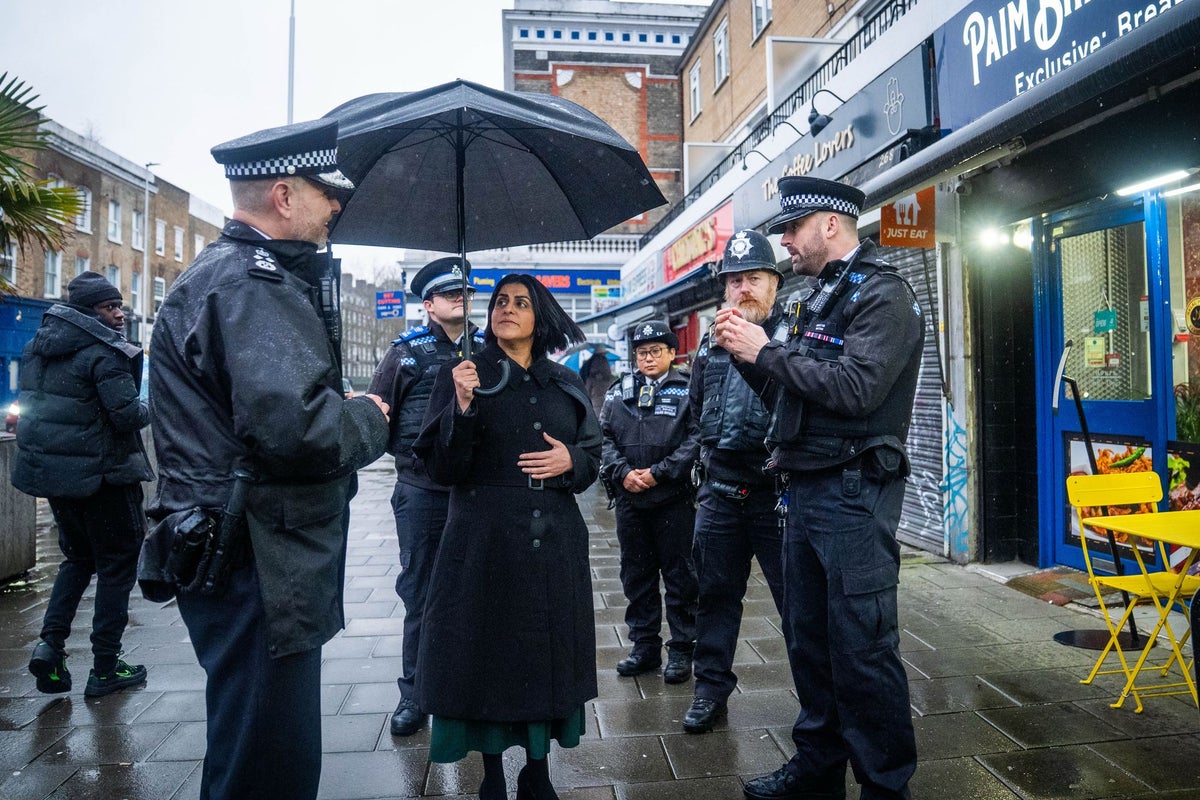
A new national police force, unofficially termed the "British FBI," is set to be established as part of a significant overhaul of policing in England and Wales. This new entity, the National Police Service (NPS), will consolidate the efforts of the National Crime Agency and regional organized crime units. Its primary focus will be on tackling serious and complex crimes, including terrorism, fraud, and organized gang activity. The aim is to alleviate the burden on local police forces, allowing them to concentrate more on everyday offenses like shoplifting and petty theft.
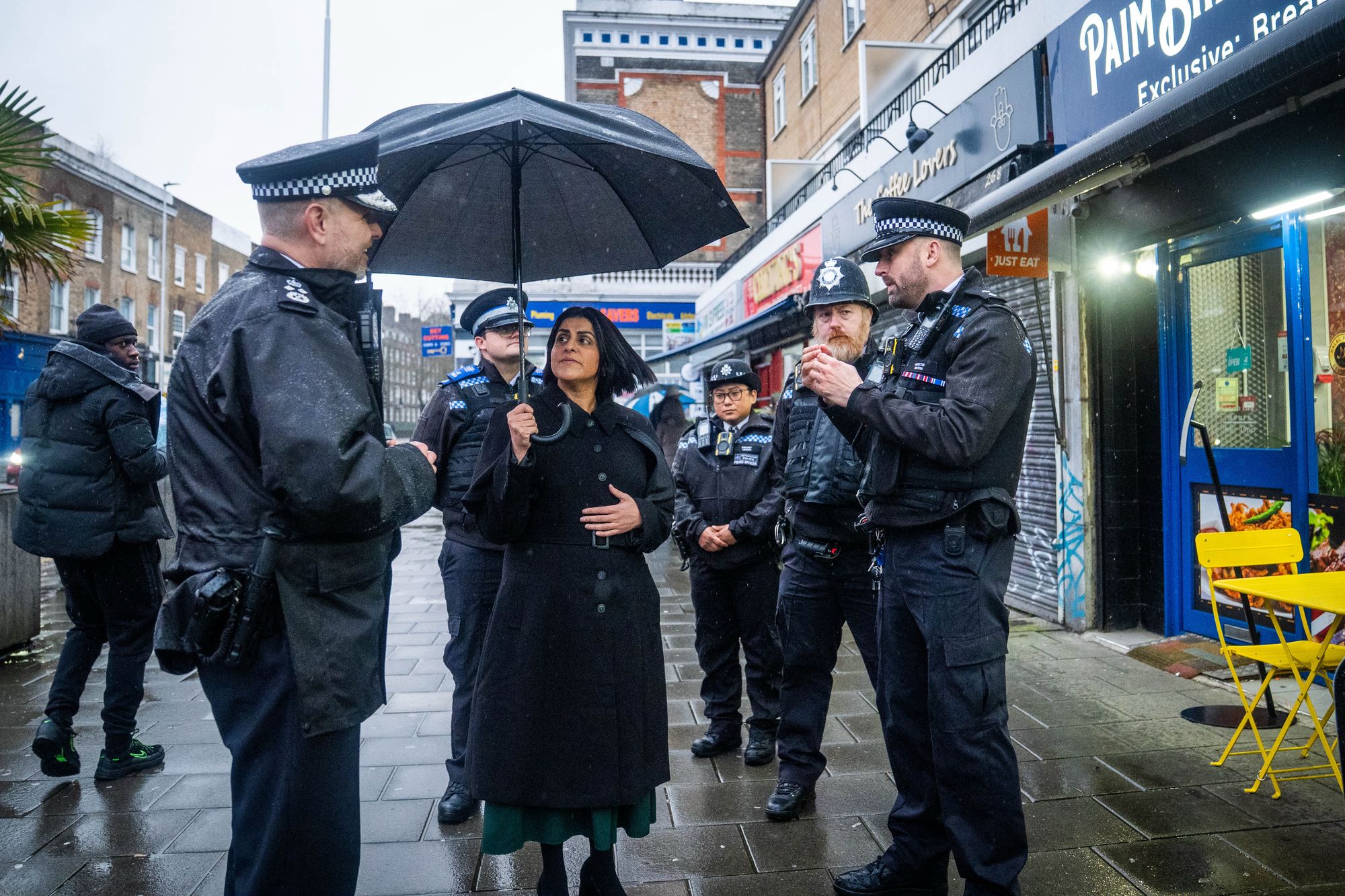
The reforms, detailed in a White Paper by Home Secretary Shabana Mahmood, are intended to address the shortcomings of the current policing model, which is seen as outdated for dealing with modern criminal challenges such as online child abuse and sophisticated fraud. The government plans to attract skilled professionals from sectors like technology and finance through a direct entry scheme for senior roles within the NPS. Furthermore, a reduction in the number of police forces across England and Wales, from the current 43, is anticipated. The NPS will be led by a National Police Commissioner and will be responsible for setting policing standards, training, and acquiring new technologies, such as facial recognition, on behalf of all forces.

The initiative has garnered support from various policing figures, including former head of Counter Terrorism Policing Neil Basu and the director general of the National Crime Agency, Graeme Biggar, who believe a unified national body will be more effective against evolving crime. While the Metropolitan Police and National Police Chiefs' Council expressed support for a joint service, they emphasized the importance of maintaining strong links with local policing and communities during the transition. This restructuring also follows previous announcements to abolish police and crime commissioners by 2028, with responsibilities shifting to mayors and council leaders.