
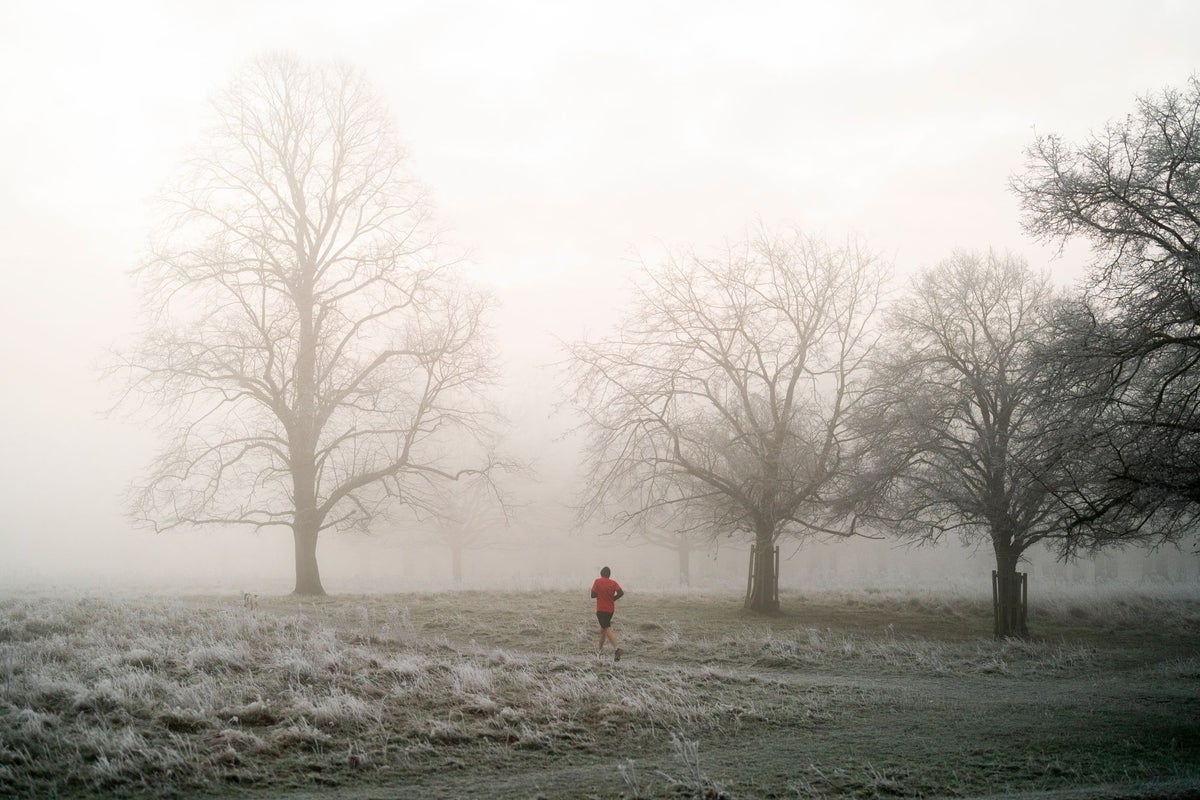
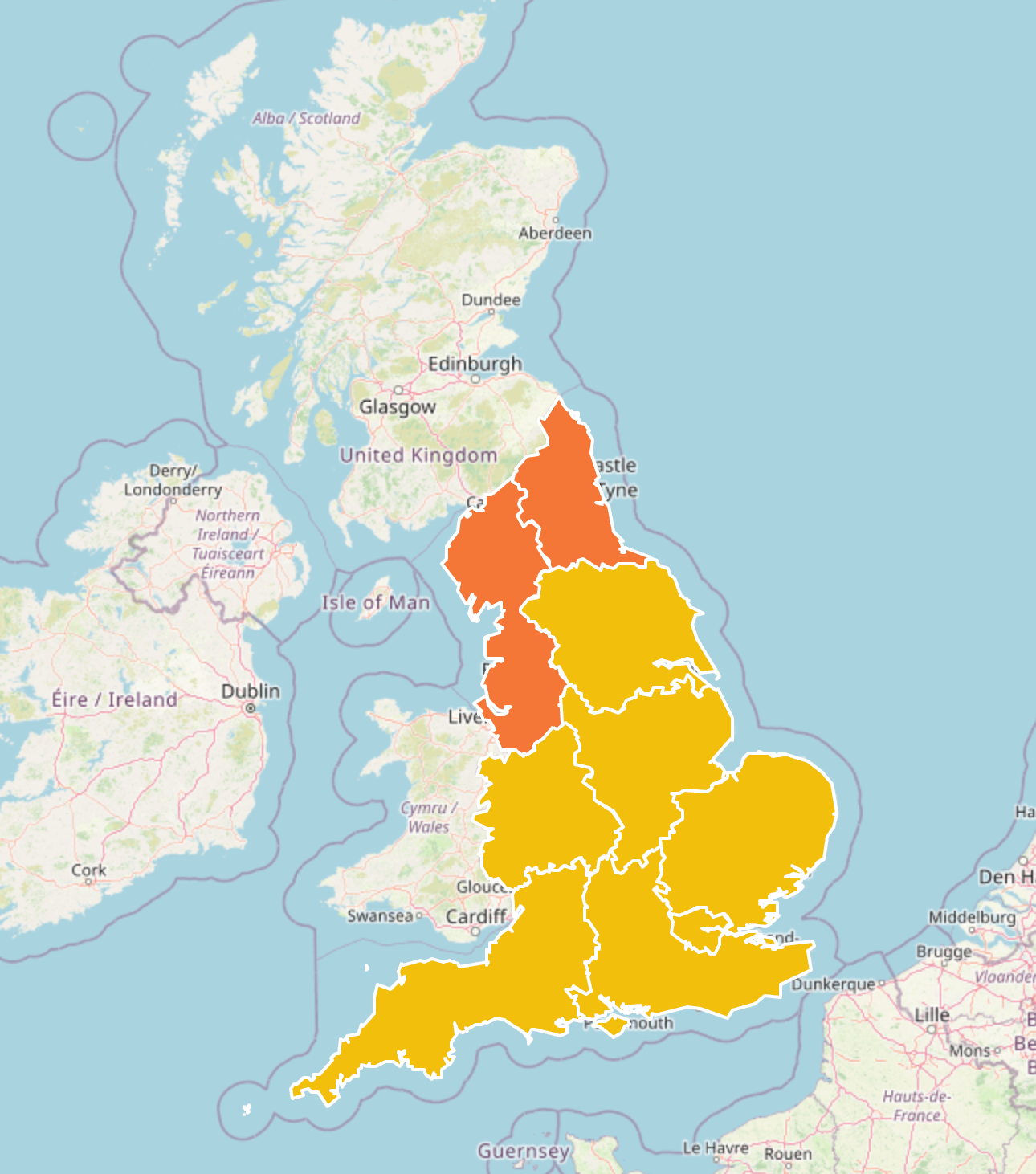
The United Kingdom is bracing for a cold start to 2026, with multiple cold weather alerts issued by the UK Health and Security Agency (UKHSA). An amber health warning is in effect for the North East and North West from the evening of Sunday, December 29, 2025, until midday on January 5, 2026. During this period, daytime temperatures are expected to be around 3 to 5°C, with overnight temperatures potentially dropping to -3°C, and even as low as -7°C in parts of Scotland.
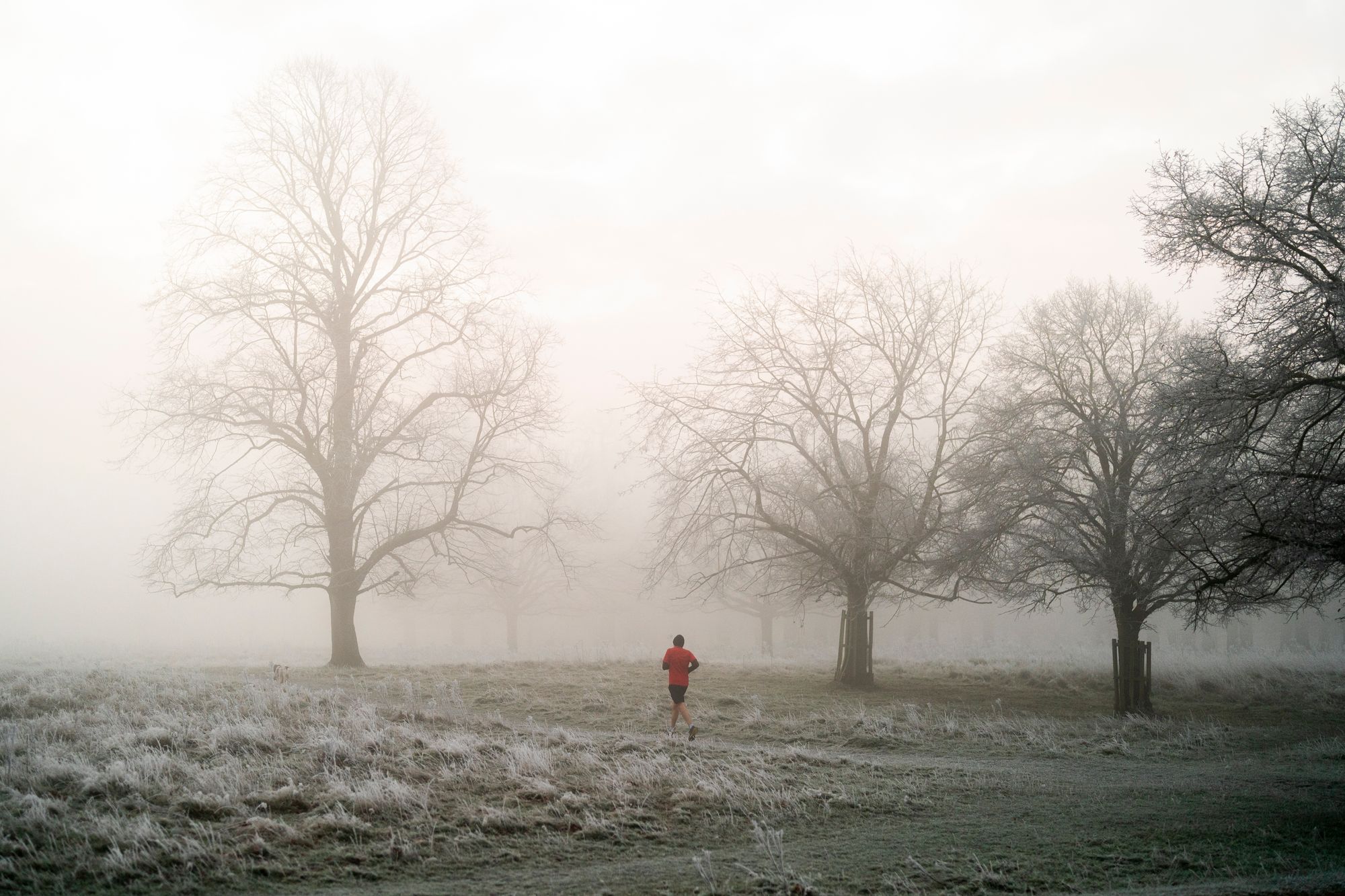
This chilly forecast comes as "wintry showers" are anticipated across the north of England from New Year's Day, signaling a blustery and cold beginning to the new year. The Met Office forecasts a shift from settled but chilly conditions to more showery weather with wintry hazards, particularly for the northern regions. While the final days of 2025 will see temperatures between 7 to 8°C, a significant drop is expected with the arrival of 2026.
The amber health alerts signify that the cold weather is likely to have substantial impacts on health and social care services. This includes a projected rise in deaths among vulnerable individuals, such as those with pre-existing health conditions or people aged 65 and over. The UKHSA also anticipates impacts on younger populations and an increased demand for health services. Furthermore, temperatures inside facilities like hospitals and care homes could fall below recommended levels for health risk assessment, and maintaining indoor temperatures of 18°C may become challenging, posing risks to vulnerable individuals. Staffing issues due to travel delays are also a concern, with potential impacts extending to the transport and energy sectors.
In addition to the amber alerts, a yellow cold health alert has been issued for the East Midlands, West Midlands, South East, South West, East of England, Yorkshire and the Humber, and London. Temperatures in these areas are expected to range from 4 to 6°C from New Year's Day onwards. Dr. Agostinho Sousa of UKHSA emphasized the importance of checking on vulnerable friends, family, and neighbors as the colder weather sets in, warning that the forecasted temperatures can seriously affect health, increasing risks of heart attacks, strokes, and chest infections, especially for the elderly and those with pre-existing conditions.