
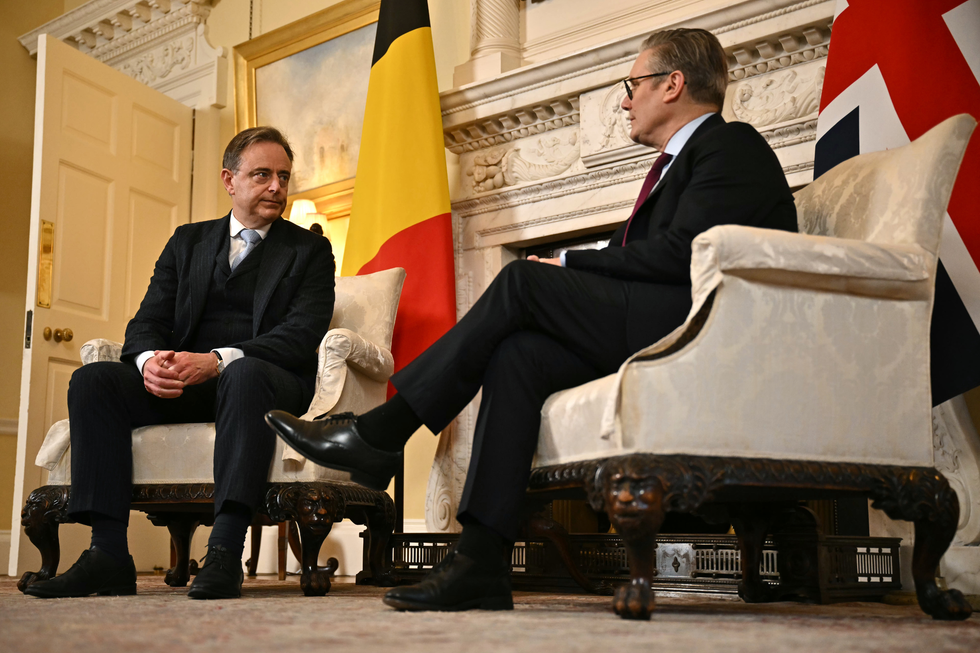
The European Union has approved a €90 billion fund to support Ukraine, a decision that effectively sidesteps a proposal championed by UK Labour leader Sir Keir Starmer for repurposing frozen Russian assets. Belgium, a key player due to the significant amount of Russian assets held there (€185 billion), had consistently opposed the UK's plan. Belgian Prime Minister Bart De Wever cited concerns over potential repercussions from Russia, stating he had been personally threatened by Kremlin agents regarding the funds.
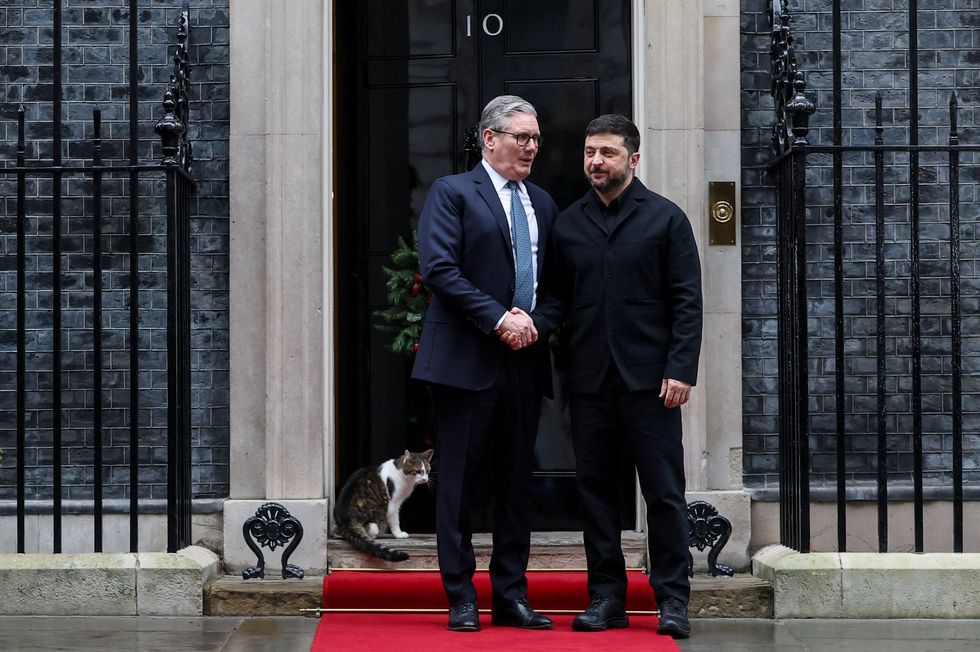
Despite Starmer's push for utilizing immobilized Russian assets as a clear signal to Russia, the EU opted for a loan funded by its member states. While the European Commission has been tasked with exploring the feasibility of freeing up Russian assets, this approach is not expected to yield short-term results. Ukrainian President Volodymyr Zelensky has long favored using Russian funds for his country's defense, but resistance from some EU members, such as Hungary, remains a hurdle, though an agreement was reached that excluded their financial participation. This new EU funding is crucial to prevent Ukraine from running out of money by mid-next year, a scenario that could significantly weaken its position against Russia. The EU's action also serves as a demonstration of strength and resolve in the face of international skepticism.